


Pickles

Solar-Dried Foods in Indian Pickle Preparation​

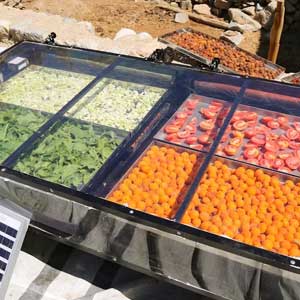
The pickle industry in India is renowned for its rich flavours and diverse varieties, and solar-dried foods play a crucial role in enhancing these traditional condiments. Utilizing solar-dried ingredients not only preserves the authenticity of the flavours but also contributes to sustainable food practices.

The integration of solar-dried foods into pickle preparation not only enhances flavour but also supports sustainable practices within the food industry. As Indian cuisine continues to evolve, the use of solar-dried ingredients will likely remain at the forefront of traditional pickle-making methods, preserving cultural heritage while meeting modern consumer demands.

Benefits of Solar Drying in Pickle Production

Solar drying is an age-old technique that offers several advantages for pickle preparation:

Natural Preservation

The sun acts as a natural preservative, reducing moisture and inhibiting the growth of harmful microorganisms, which extends the shelf life of pickles for up to 24 months or more.

Flavour Intensification

Sun drying enhances the inherent flavours of fruits and vegetables, allowing them to absorb spices more effectively during the pickling process. This results in a richer taste profile that is characteristic of homemade pickles.

Nutritional Retention

Solar drying helps retain essential nutrients, making solar-dried pickles not only flavourful but also nutritious.

Popular Solar-Dried Ingredients for Pickles

Several ingredients are commonly used in solar-dried form to create delicious Indian pickles:

Raw Mangoes

Thinly sliced and carefully sun-dried, raw mangoes are the heart of tangy mango pickles, a beloved staple across India. The solar drying process intensifies the natural sourness of the mangoes while preserving their nutritional value, making them perfect for year-round use. These dried slices are later infused with spices and oil to create the iconic flavours that define mango pickles.
Tamarind

Tamarind is an indispensable ingredient in Indian pickles, lending a distinct tangy and sour flavour. Solar-dried tamarind has a concentrated taste that balances the heat and spices in pickles. Whether added as a pulp or used in its dried form, tamarind elevates the overall taste profile of pickles, making them irresistibly flavourful.

Chilies

Red chilies are a cornerstone of Indian pickles, providing the signature heat that pickle lovers crave. Solar drying enhances the colour, flavour, and spiciness of chilies, which can be used whole for visual appeal or ground into powders for seamless blending. This process ensures that the pickles not only taste amazing but also look vibrant and appetizing.
Garlic and Ginger

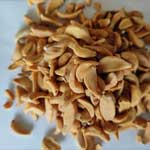
These aromatic ingredients are essential in creating pickles with depth and complexity. Solar-dried garlic and ginger retain their strong, earthy flavours and unique pungency. They are often added in powdered or sliced form to bring balance to the sharpness of spices and the tanginess of other ingredients, ensuring a harmonious flavour in every bite.

Commercial Trends

The commercial pickle industry has increasingly adopted solar-drying techniques due to their numerous benefits:

Sustainability

Emphasizing eco-friendly practices aligns with consumer preferences for natural products.

Quality Control

Manufacturers can ensure consistent quality by controlling the drying process more effectively than with artificial methods.

Market Demand

As consumers seek authentic flavours, products made from solar-dried ingredients have gained popularity among health-conscious buyers looking for homemade-style pickles.

The traditional method of preparing pickles with solar-dried foods involves several steps:

1

Preparation of Ingredients

Fresh fruits or vegetables are sliced and laid out under the sun for several days until adequately dried.

2

Mixing with Spices

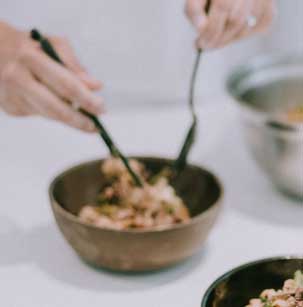
The dried pieces are combined with a blend of spices, salt, and oil. For example, dried mango pieces may be mixed with red chili powder, turmeric, and mustard seeds to create a flavourful masala.

3

Fermentation

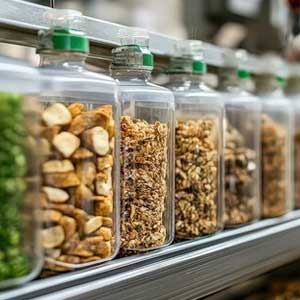
The mixture is stored in jars and left to ferment in the sun. This process allows the flavours to meld together, resulting in a rich and tangy pickle that captures the essence of traditional Indian cuisine.

4

Storage

Once fermented, these pickles can be stored for extended periods without the need for preservatives, thanks to the natural drying process.

Scroll to Top